Most gardeners already use mulch.
We spread wood chips around vegetables, berries, fruit trees, flowers, and pathways. It helps protect the soil, hold moisture, suppress weeds, and eventually breaks down into organic matter.
But what if your mulch could do more?
What if those same wood chips could become a living fungal system that helps break down woody material, builds beautiful organic matter, and can even produce edible mushrooms?
That is exactly what mushroom Living Mulch is designed to do.
What Is Mushroom Living Mulch?
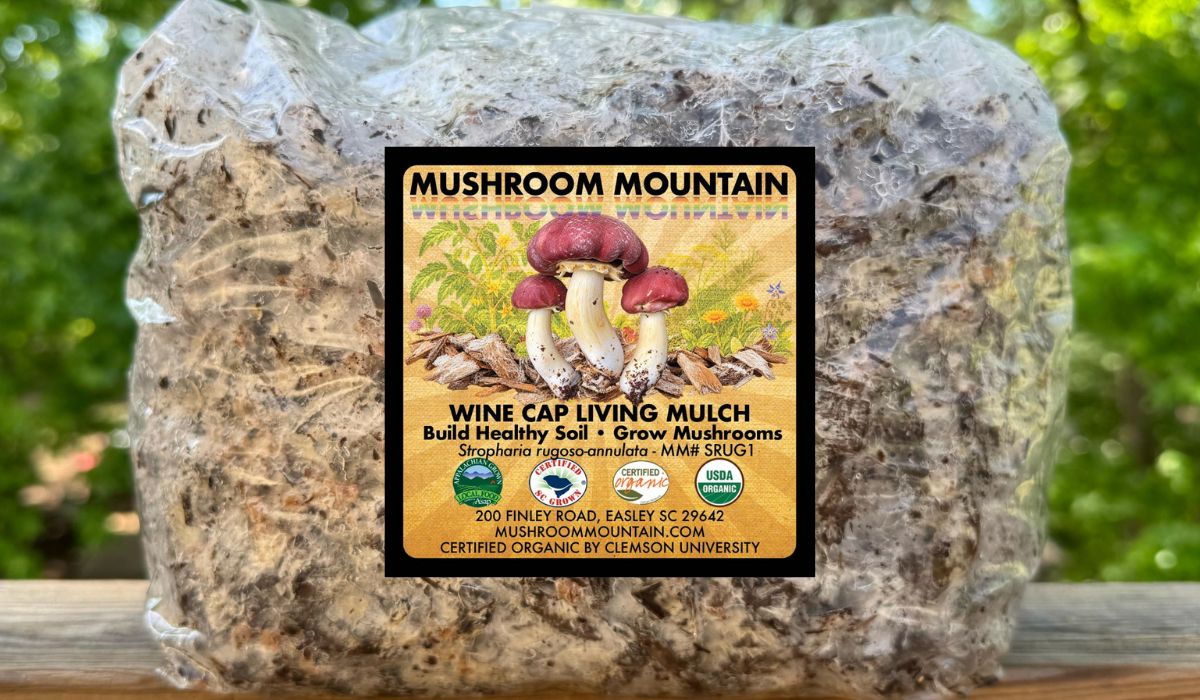
Mushroom Living Mulch is a way of introducing beneficial mushroom mycelium directly into the mulched areas of your garden.
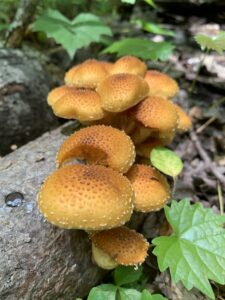
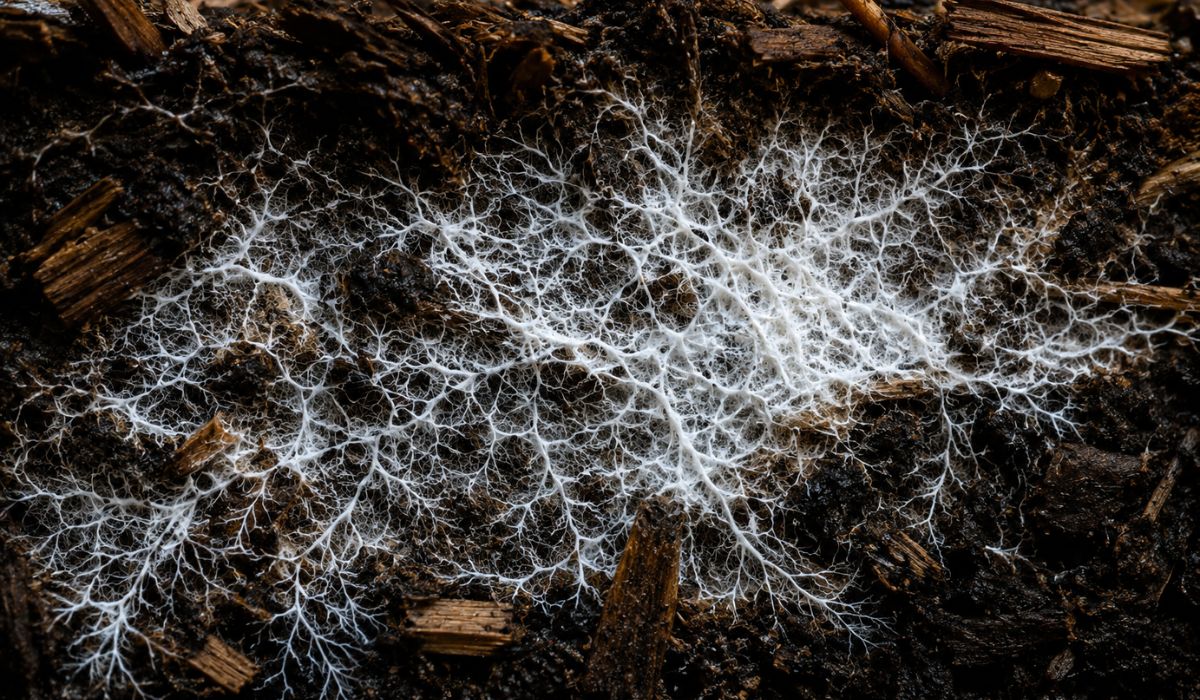
Mycelium is the vegetative part of a fungus – the network that grows through soil, wood, leaves, and other organic material. The mushrooms we see above ground are only the fruiting bodies. Most of the organism is actually hidden inside its food source.
When you add mushroom mycelium to a layer of fresh wood chips, it begins colonizing that material.
And then the fungi get to work.
As the mycelium moves through the mulch, it helps break down the woody material. Over time, those wood chips are transformed into darker, richer organic matter that becomes part of your soil.
And under the right conditions, that underground fungal network can also produce mushrooms.
So instead of simply waiting for your mulch to decompose, you’re intentionally putting fungi to work.
Why Grow Mushrooms in Your Garden?
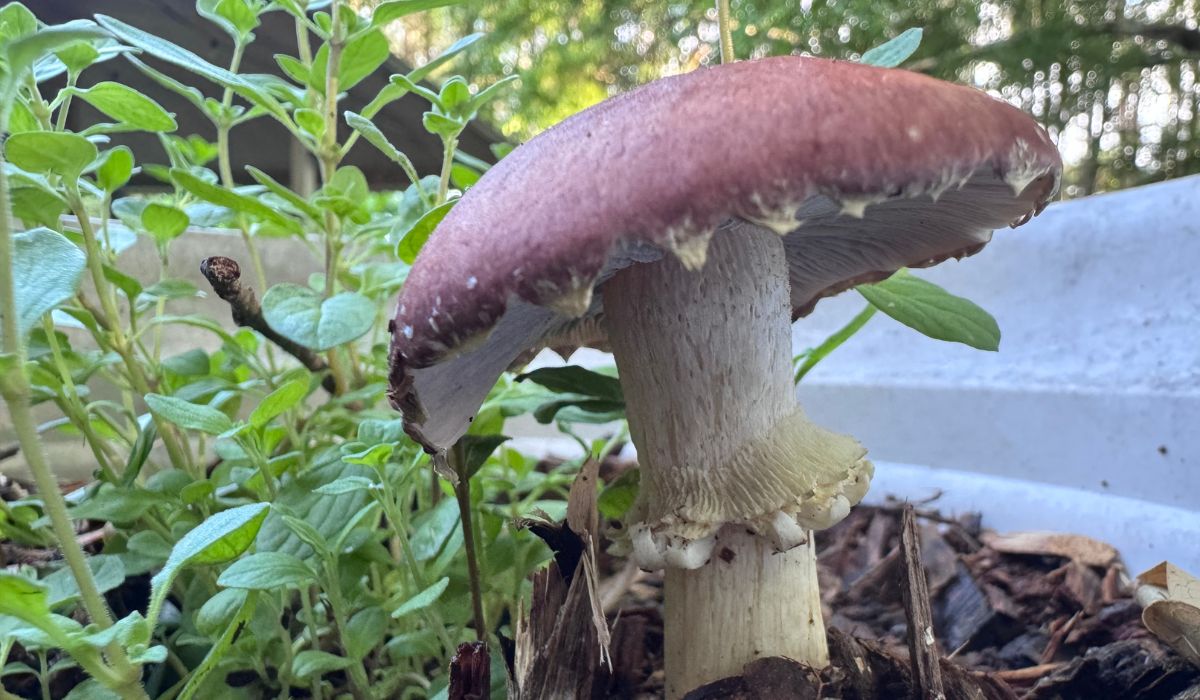
We usually think of gardening as growing plants.
But a healthy garden isn’t just plants.
It is an entire biological community of plants, fungi, bacteria, insects, worms, and countless other organisms interacting beneath our feet.
Fungi are some of nature’s great decomposers. They break down complex organic materials and help return those materials back into the ecosystem.
That’s why I love using mushrooms in gardens.
You aren’t just trying to produce a crop of mushrooms. You’re creating a living system.
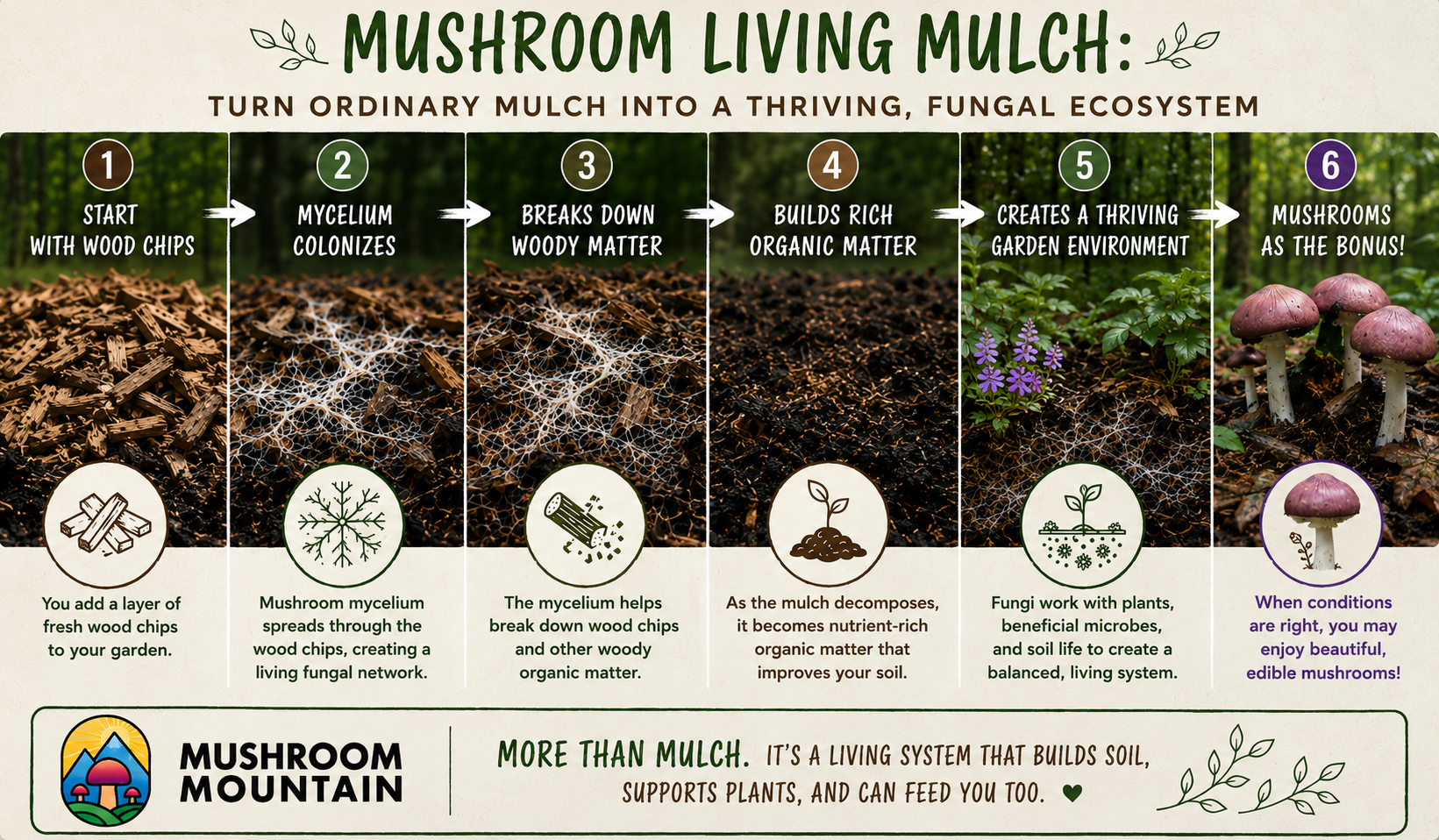
A mushroom bed can:
- Help break down wood chips and other woody organic matter
- Add organic matter to the soil as the mulch decomposes
- Help create a biologically active garden environment
- Make productive use of shaded areas where many traditional crops struggle
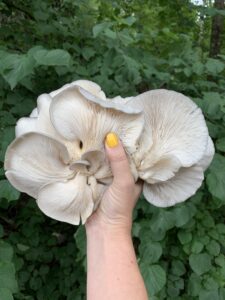
- Produce edible mushrooms when conditions are right
- Turn ordinary mulch into something much more interesting
And once you’ve watched mycelium transform a pile of wood chips into gorgeous, dark organic matter, you may never look at mulch the same way again.
Where Can You Use Mushroom Living Mulch?
One of the best things about growing mushrooms in mulch is that you don’t necessarily need to create a separate mushroom garden.
You can incorporate mushrooms into spaces you’re already using.
Living Mulch can be used in:
- Vegetable gardens
- Raised beds
- Berry patches
- Perennial gardens
- Around fruit trees
- Shaded landscaping
- Wood-chip pathways
- Food forests
- Permaculture gardens
- Other areas where you already use untreated wood chips
That means you can grow tomatoes above ground while fungi are working through the mulch underneath.
Or inoculate the wood chips around blueberries, raspberries, fruit trees, or perennial plants.
You can even turn a shaded wood-chip pathway into a mushroom-growing area.
Suddenly, some of those awkward shady places in the yard start looking a lot more useful.
What Kind of Mulch Should You Use?
Fresh hardwood chips are an excellent food source for many wood-loving mushrooms.
You want untreated wood – not painted, stained, pressure-treated, or chemically treated lumber.
The goal is to give the mycelium plenty of woody material to colonize while keeping the bed moist enough for the fungus to establish itself.
After inoculation, moisture is especially important. Mycelium is alive, and a mushroom bed that completely dries out will have a much harder time becoming established.
Fortunately, garden mulch is already designed to conserve moisture.
Which is one of the reasons mushrooms and gardens make such good neighbors.
Wine Cap: The Garden Mushroom
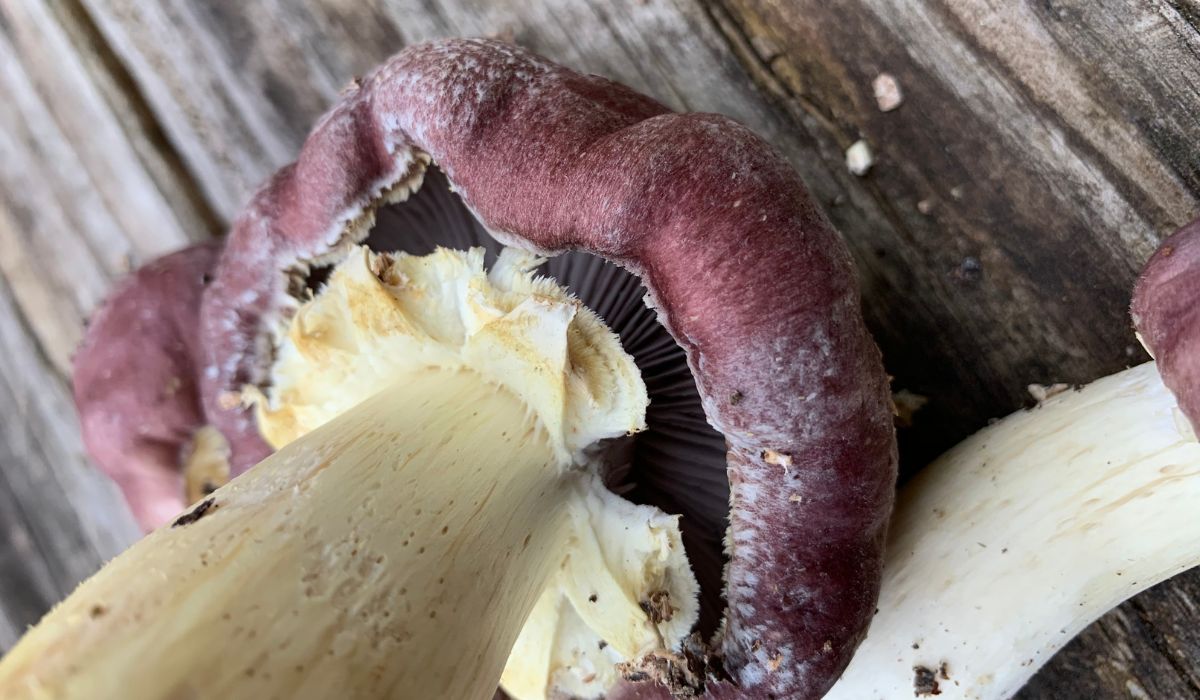
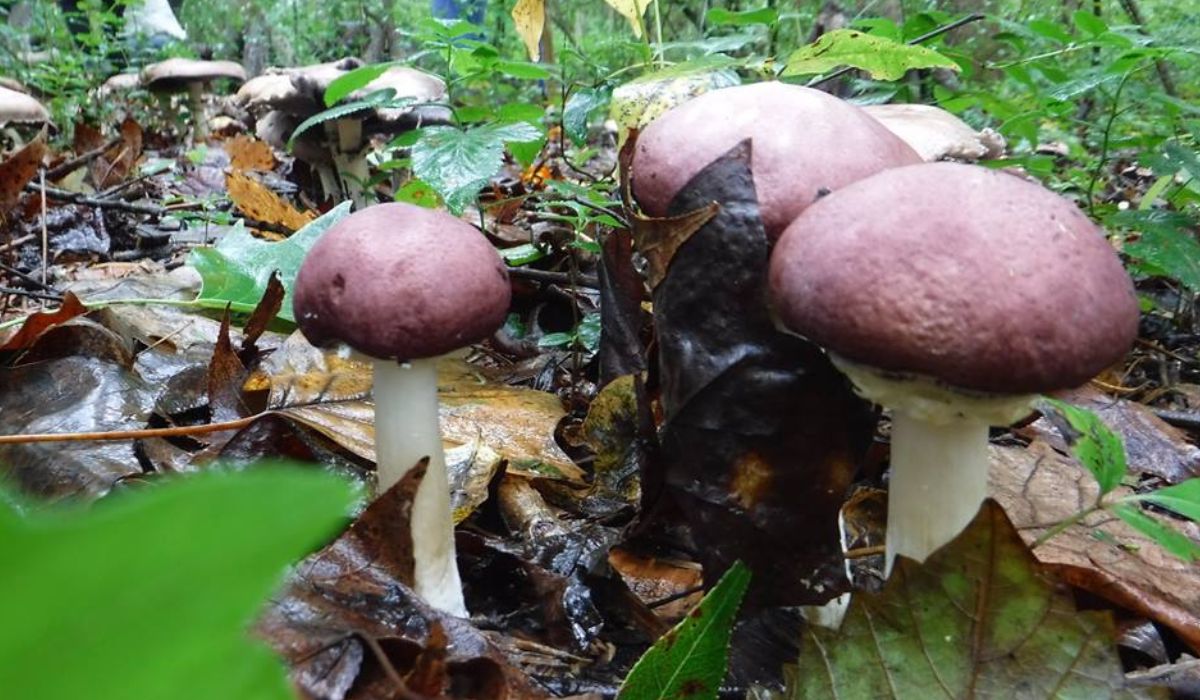
If I were introducing someone to growing mushrooms in their garden for the first time, Wine Cap would be high on my list.
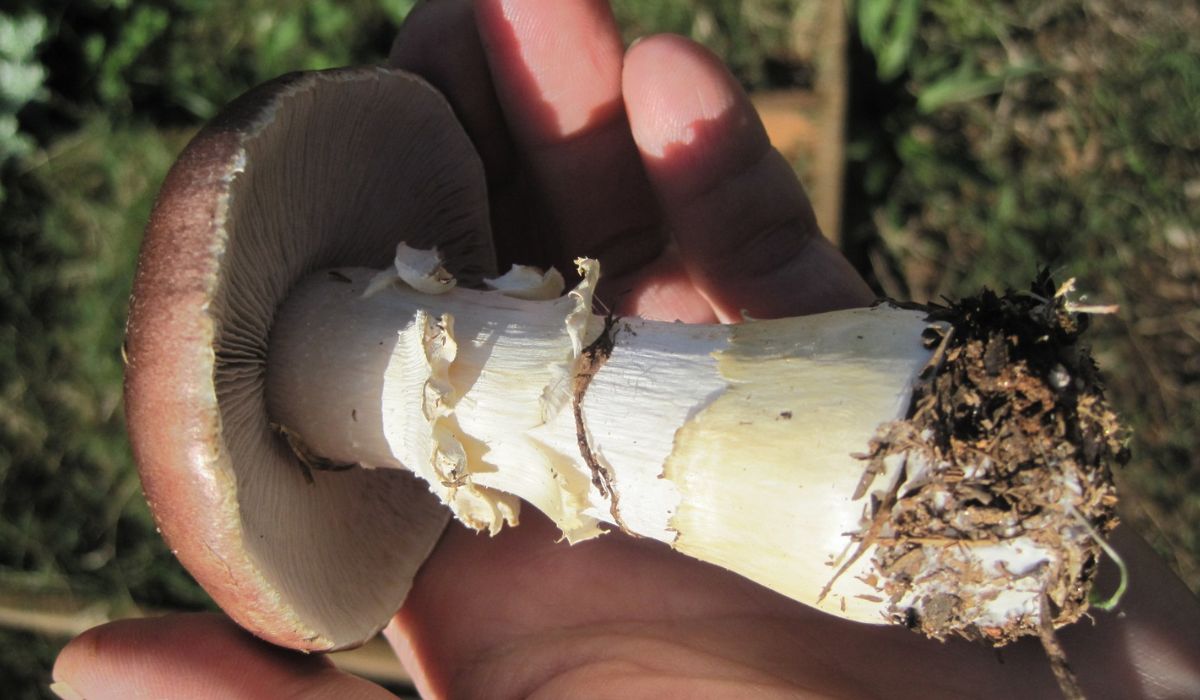
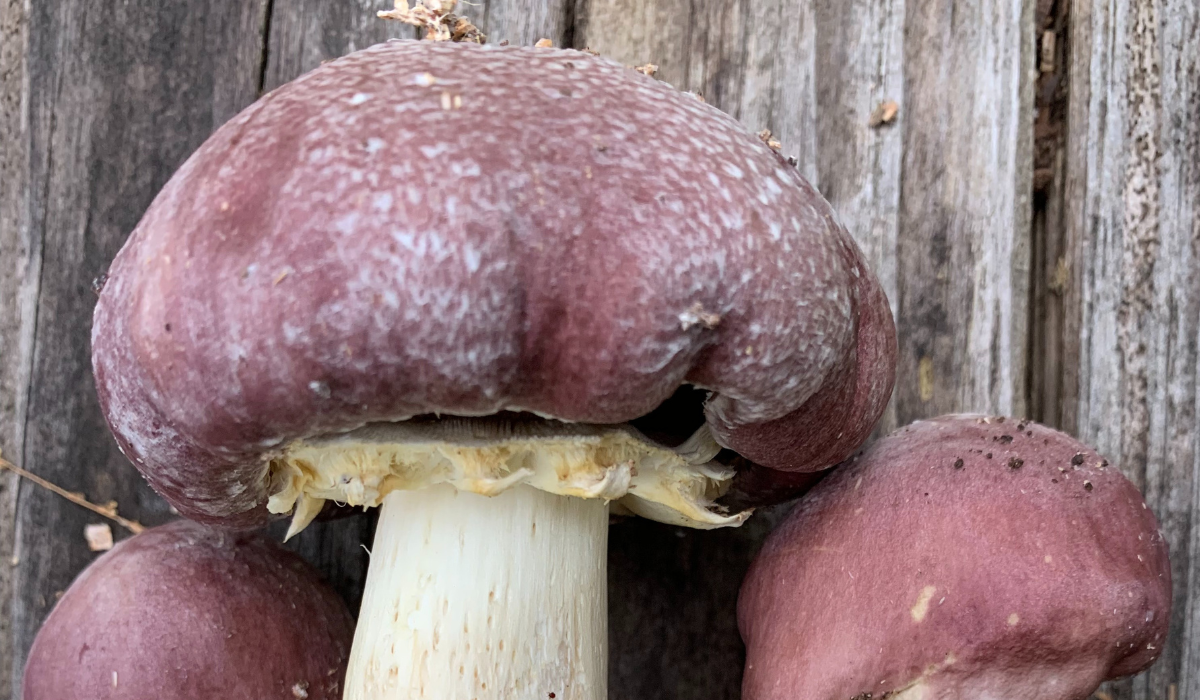
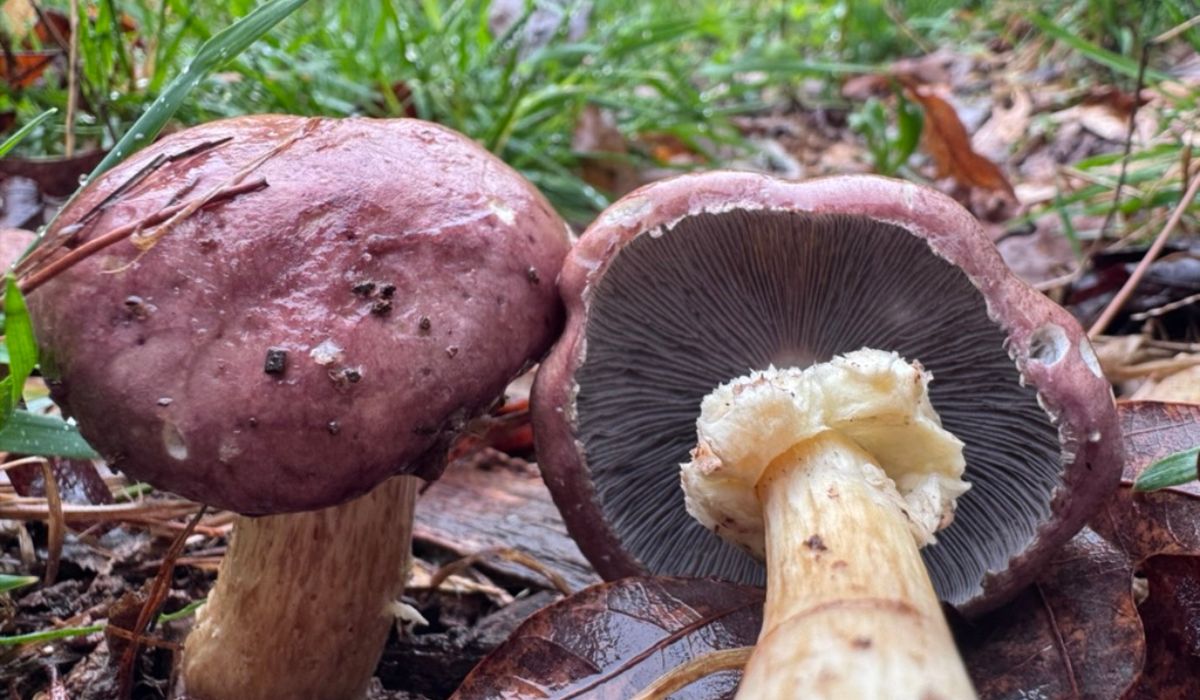
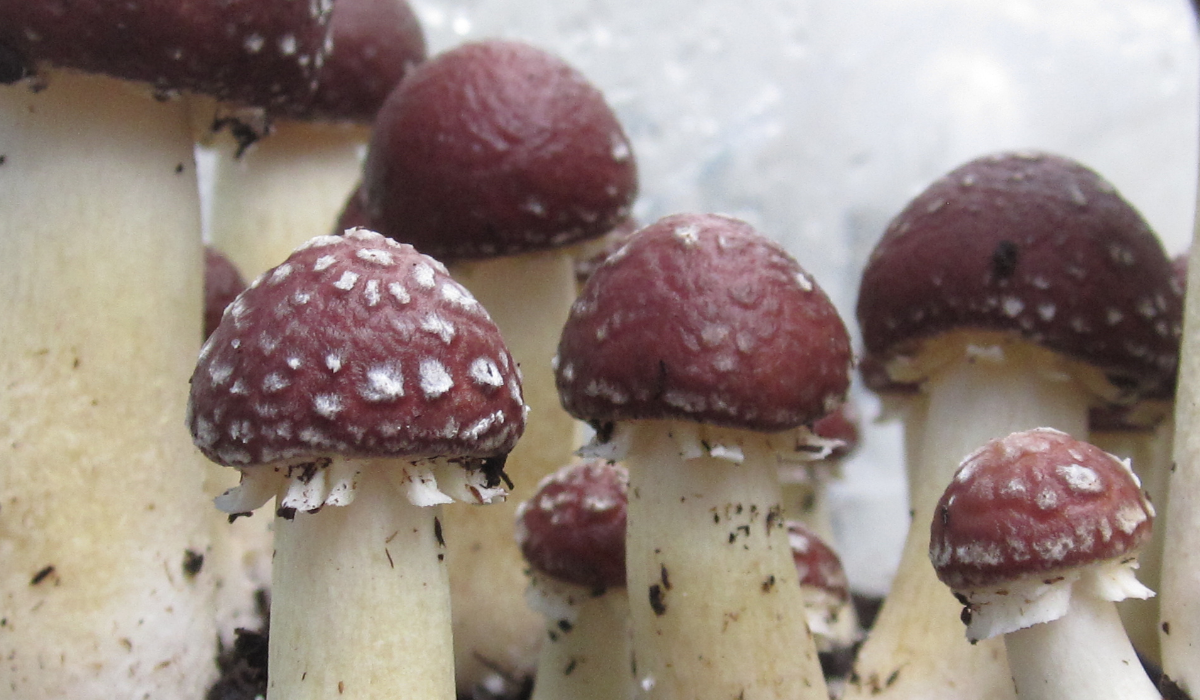
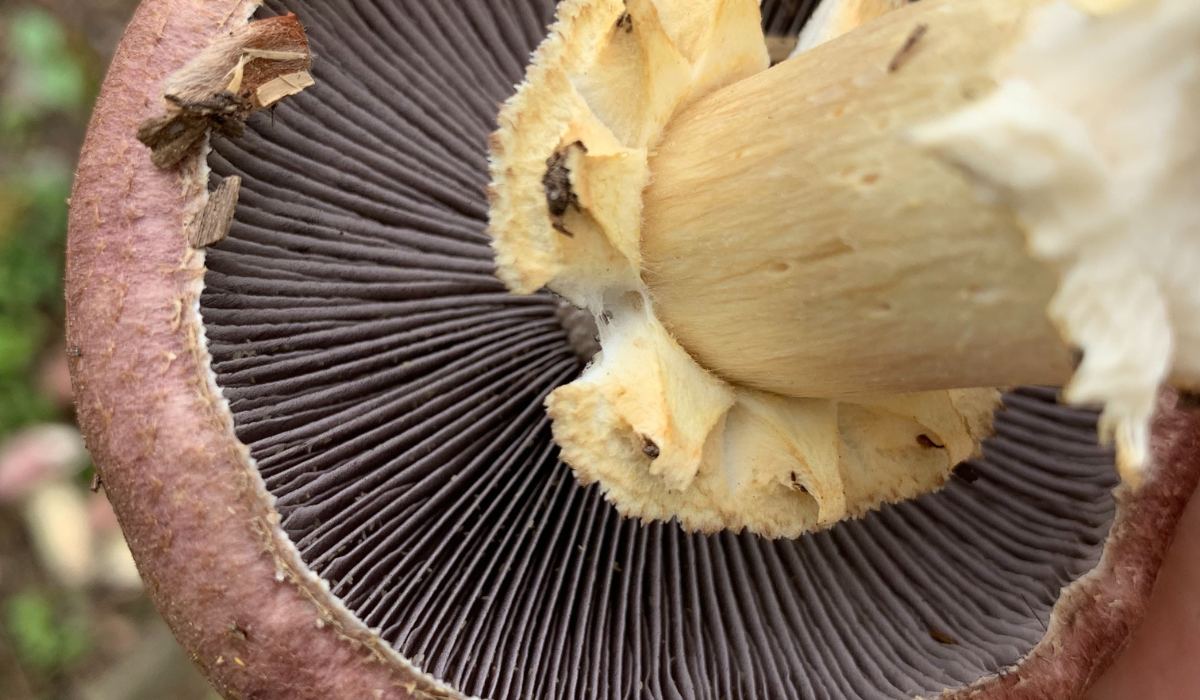
Wine Cap (Stropharia rugosoannulata) is a vigorous mushroom that loves growing in wood chips and other woody garden materials.
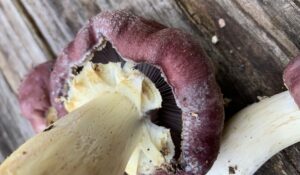
It produces large, beautiful mushrooms with caps that can range from reddish wine-colored to lighter brown as they mature.
But what makes Wine Cap particularly exciting isn’t just the mushroom.
It’s what happens underneath it.
The mycelium works its way through the wood-chip layer, gradually breaking that material down. Dig into an established Wine Cap bed and you may find beautiful white mycelium running through the mulch and rich organic material developing underneath.
This makes Wine Cap a great choice for gardeners who want to combine mushroom production with soil building.

When Should You Start a Mushroom Mulch Bed?
You don’t have to wait until spring.
Late summer and fall can be excellent times to start establishing mushroom beds because you’re giving the mycelium time to begin moving into its food source while temperatures are becoming milder.
The goal isn’t necessarily to inoculate a bed today and harvest mushrooms next week.
You’re establishing a fungal colony.
Once introduced, the mycelium needs time to colonize the wood chips and become established. Fruiting depends on the mushroom species, weather, moisture, temperature, and how well the bed has colonized.
This is gardening on fungal time.
And fungi have absolutely no interest in your calendar.
How Much Area Can One Bag Cover?
This is where mushroom gardening can get surprisingly fun.
One 5 lb bag of Living Mulch can inoculate approximately 3 cubic feet of wood chips, enough for about 12 square feet of growing area at a 3-inch depth.
That’s a substantial garden bed.
You don’t need a laboratory, grow room, expensive equipment, or even much additional space.
You’re taking an area that would already be mulched and introducing the mushroom culture needed to turn it into a living mushroom bed.
How Long Does It Take to Get Mushrooms?
This is probably one of the most important things to understand before starting.
Living Mulch is not the same thing as an indoor mushroom fruiting kit.
A fruiting kit is already heavily colonized and designed to produce mushrooms relatively quickly.
A mushroom garden is different.
Here, you’re introducing mycelium into a much larger outdoor environment and asking it to establish itself, colonize new material, survive changing weather conditions, and eventually produce mushrooms.
That takes time.
Your first job isn’t to grow mushrooms.
Your first job is to grow mycelium.
Keep the bed moist. Give it plenty of appropriate organic material. Let the fungus establish itself.
The mushrooms come later.
And once you understand that, mushroom gardening becomes much easier.
Your Mulch Could Be Doing More
I have spent much of my teaching time telling people that mushrooms aren’t simply something that pops out of the ground after it rains.
Fungi are working around us constantly.
They decompose wood. They recycle organic matter. They interact with plants. They help build the soils that entire ecosystems depend on.
Living Mulch gives us a way to intentionally bring some of that fungal activity into our own gardens.
If you’re already spreading wood chips around your vegetables, berries, trees, pathways, or perennial beds, you already have much of what you need.
Add the fungi.
Let the mycelium move through the mulch.
Let it break things down.
Let it build.
And if mushrooms eventually start popping up between your vegetables?
That’s a pretty fantastic bonus.
Ready to turn your mulch into a living mushroom bed?
Explore our Wine Cap Living Mulch and start putting fungi to work in your garden.